Cheetah Rehabilitation Project – The Key Milestones
Introduction
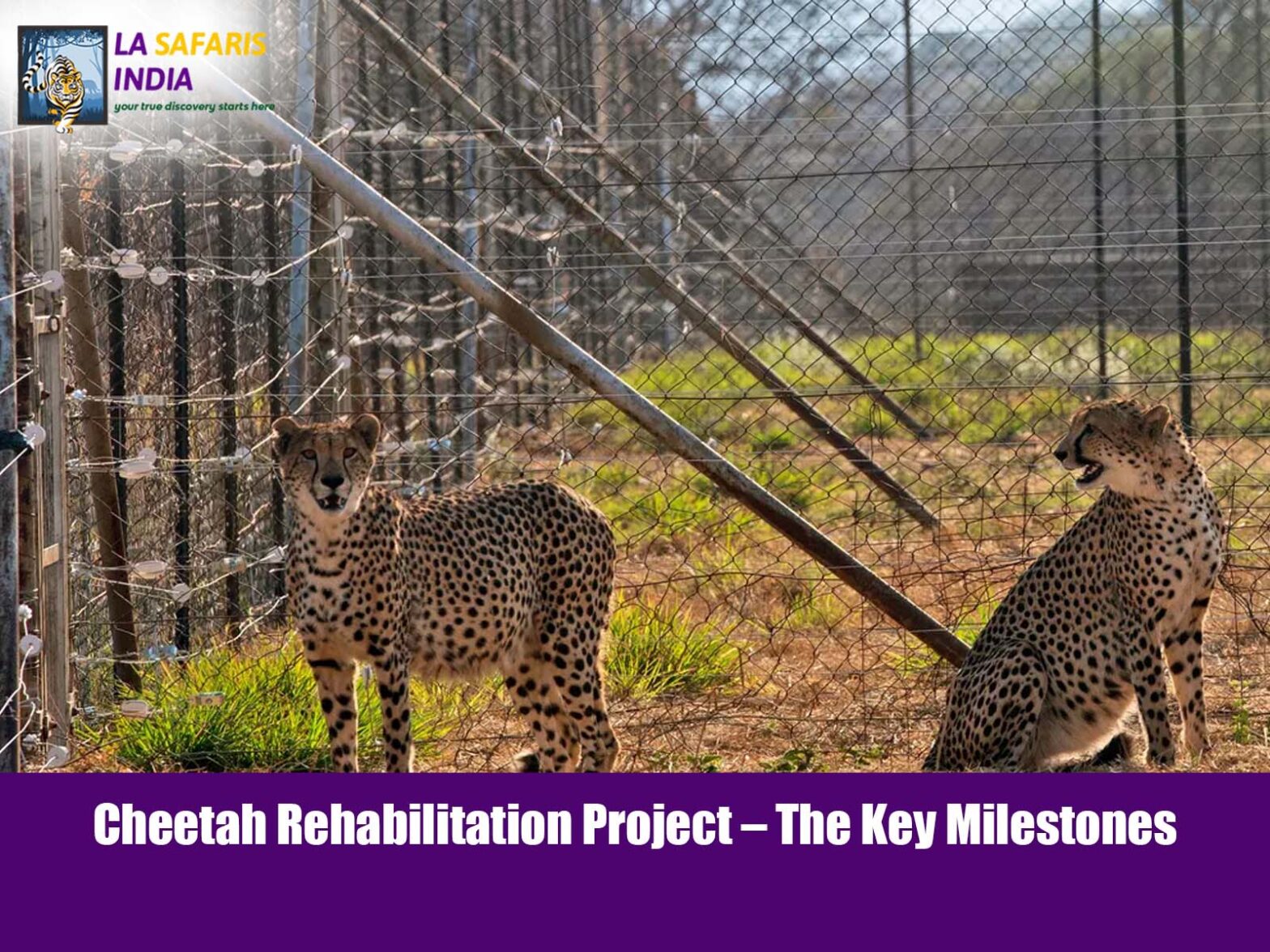
India has always been known for its rich wildlife heritage, attracting nature lovers from across the globe. From majestic tigers to rare birds, the country offers unforgettable experiences for wildlife enthusiasts. Today, one of the most exciting conservation stories shaping Wildlife Tours India is the cheetah rehabilitation project. This ambitious initiative aims to bring back the fastest land animal to India after decades of extinction and restore ecological balance.
Cheetahs once roamed freely across India’s grasslands. However, due to excessive hunting and habitat loss, the species became extinct in the country in 1952. After years of planning and conservation discussions, India launched a historic mission to reintroduce cheetahs into suitable habitats.
Here are the key milestones of the cheetah rehabilitation project:
1. The Vision for Reintroduction
The idea of bringing cheetahs back to India gained momentum in the early 2000s. Conservation experts and wildlife authorities studied possible locations and ecological conditions. The primary objective was not only species restoration but also strengthening grassland ecosystems and biodiversity conservation.
2. Selection of Suitable Habitat
One of the most critical stages was identifying an appropriate habitat for the animals. Kuno National Park in Madhya Pradesh was selected because of its suitable grasslands, prey availability, and protected environment. Authorities worked extensively to improve habitat quality before the arrival of the animals.
3. International Collaboration
The project became a landmark example of global conservation cooperation. India collaborated with Namibia and South Africa for the relocation of cheetahs. In September 2022, eight cheetahs from Namibia were brought to India, marking the first intercontinental translocation of large wild carnivores into the country.
Later, additional cheetahs arrived from South Africa to strengthen the breeding population and improve long-term sustainability.
4. Growing Interest in Wildlife Tourism
The rehabilitation project has also increased awareness about wildlife conservation and eco-tourism. Many travellers interested in wildlife visiting from Delhi are now including destinations connected to major conservation efforts in their travel plans. National parks and wildlife reserves continue to attract tourists seeking educational and immersive experiences in nature.
5. Monitoring and Scientific Management
After relocation, conservation teams closely monitored the cheetahs using satellite collars and tracking systems. Wildlife experts regularly assess their movement, hunting behaviour, adaptation to habitat, and overall health.
Scientific monitoring plays a major role in ensuring the success of rehabilitation while helping authorities make informed conservation decisions.
6. Challenges and Adaptive Management
Like any major conservation project, the initiative has faced challenges. Habitat adaptation, health concerns, and environmental pressures require constant management. Authorities continue refining strategies to improve survival rates and long-term population establishment.
7. Building a Conservation Legacy
The cheetah rehabilitation project represents more than species restoration. It highlights India’s commitment to wildlife conservation, ecological restoration, and sustainable biodiversity management. If successful, the initiative could become a global model for species reintroduction programs.
The return of cheetahs has created excitement among conservationists and travellers alike. As India continues strengthening its conservation efforts, initiatives like these further enhance the appeal of Wildlife Tours India, offering visitors opportunities to witness the country’s dedication to protecting its incredible natural heritage.